Material

Microcement furniture, made by hand.

Microcement is a thin, hand-trowelled cement coating applied over a shaped substrate. It gives furniture the depth and quiet mottling of poured concrete without the thickness or the weight of a solid slab.

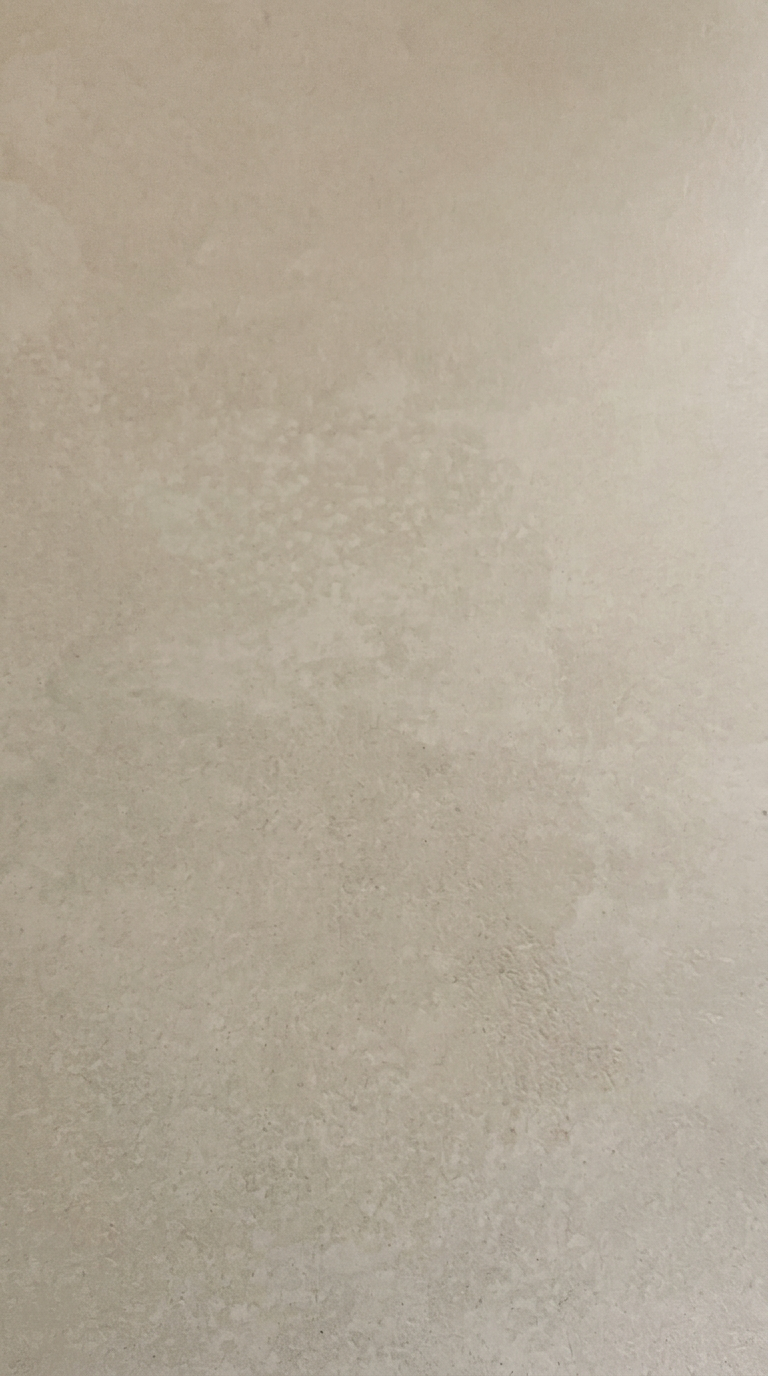
Close detail of a hand-trowelled microcement surface

Microcement versus solid concrete

A cast concrete table is a slab: thick, extremely heavy, prone to hairline cracking, and difficult to move once it is in a room. Microcement is applied in coats a few millimetres thick over a formed core, so the same visual language is possible at a fraction of the weight, with curved edges and shapes a mould struggles to produce.

Because it is trowelled by hand, each surface carries a slightly different movement of tone. Two tables in the same colour will never be identical — that variation is the point of the material, not a defect.
Finish, sealing and care

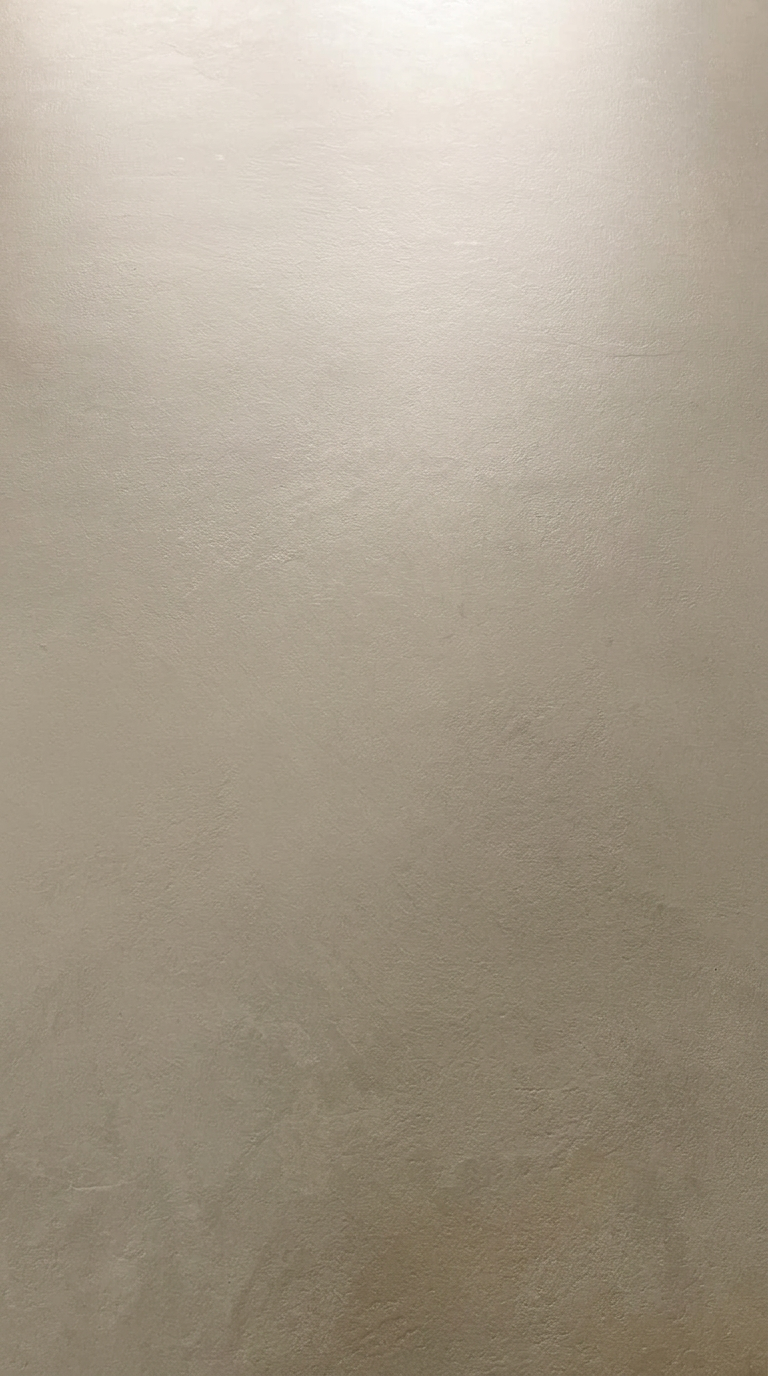
Surfaces are sealed after curing to resist water and everyday staining. Wipe spills rather than letting them sit, use a mild pH-neutral cleaner, and avoid abrasive pads or acidic cleaners such as vinegar and citrus concentrate. Trivets are recommended for anything straight off a burner.

Sealer wears at contact points over years of use, and can be refreshed. We tell you which sealer was used on your piece so it can be maintained properly.

Where microcement works

Dining tables
Oval and rectangular tops with softened, hand-formed edges.
Coffee tables
Low monolithic forms and plinth bases.
Benches and plinths
Seating and display forms with continuous, seamless surfaces.
Counters and vanity tops
Continuous surfaces without grout lines, finished in place or in the shop.
Colour range
Warm off-whites, limestone beiges, mid greys and charcoal.

Selected Work

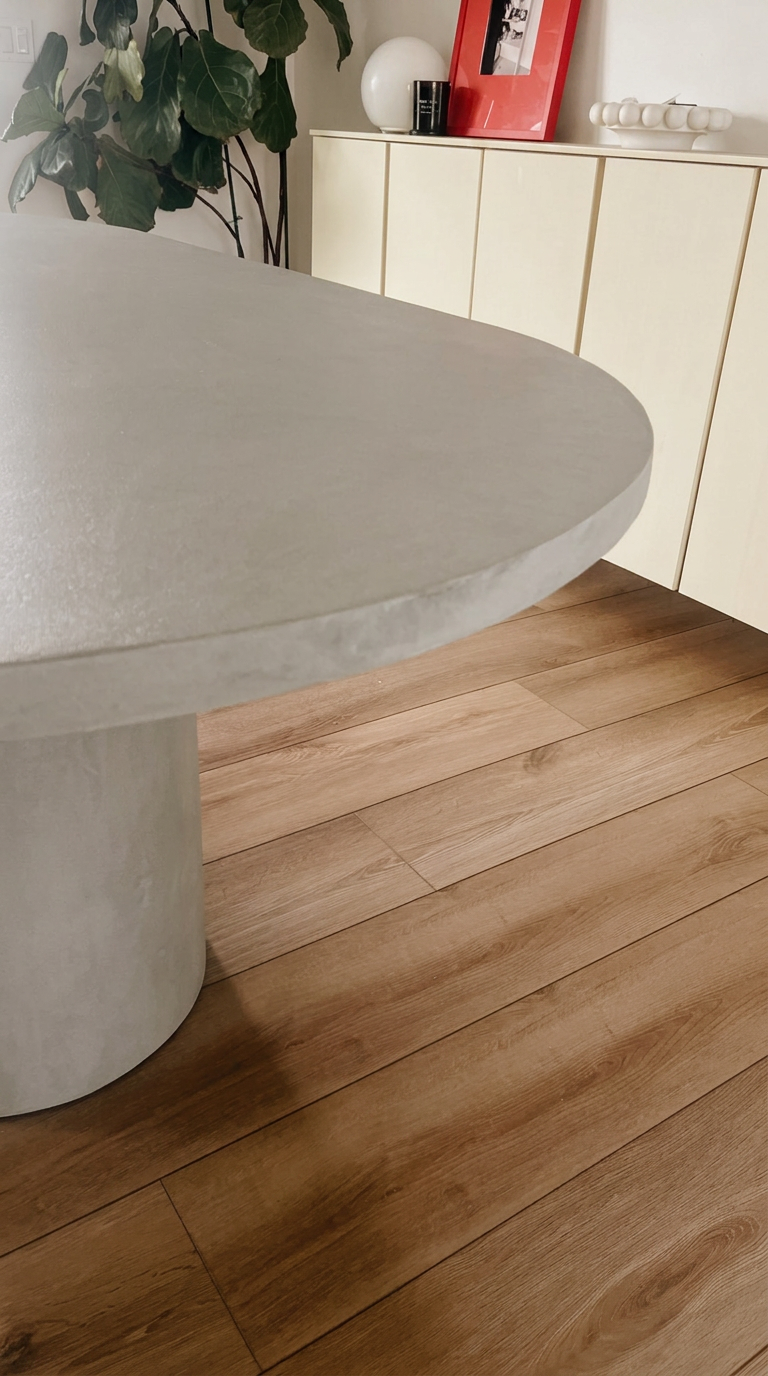
Trowelled edge profile of a grey microcement table
Edge Detail
Grey microcement surface showing fine mottled texture
Surface
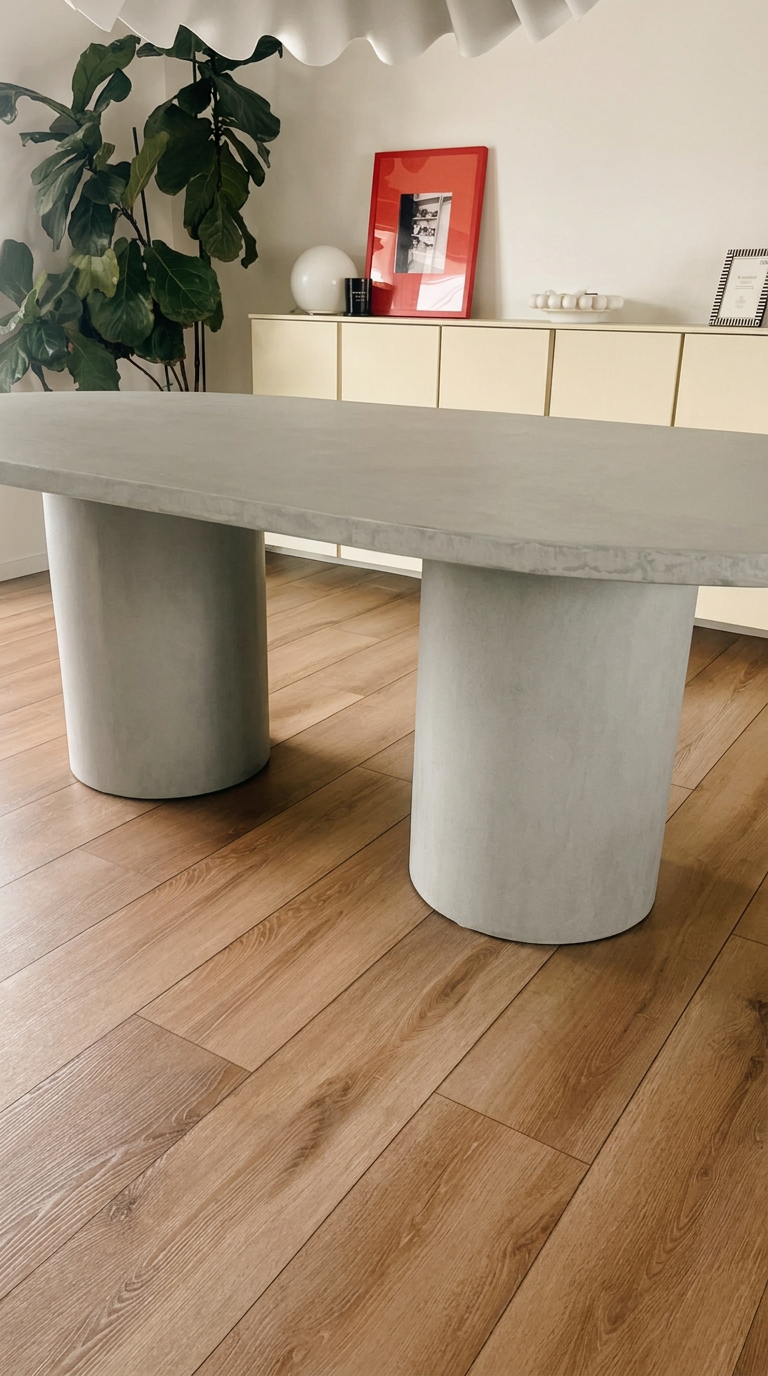
Cylindrical microcement bases beneath an oval table top
Bases

Questions

Common questions

Is microcement furniture durable?
Yes, when it is built and sealed correctly. The coating is bonded to a rigid substrate and sealed against moisture. It is a hard mineral surface, so like stone it can chip on a sharp impact at an edge — repairs are possible because the material is applied rather than cast.
Is microcement waterproof?
The sealed surface resists water and normal household spills. It is water-resistant rather than permanently waterproof, so standing water and pooled liquids should be wiped up.
How heavy is a microcement table?
Far lighter than an equivalent solid concrete slab, but still substantial. We plan weight deliberately — you can ask for a piece that stays put, or one that two people can reposition.
Can microcement be combined with wood or tile?
Yes. Wood bases with microcement tops, and tile surfaces on microcement-finished forms, are both common in our work.

Ask about a microcement piece.

Tell us the form, size and colour direction you have in mind and we will assess it.

Begin Your Request